
Security risk guide
Crowded places and event security risk assessment
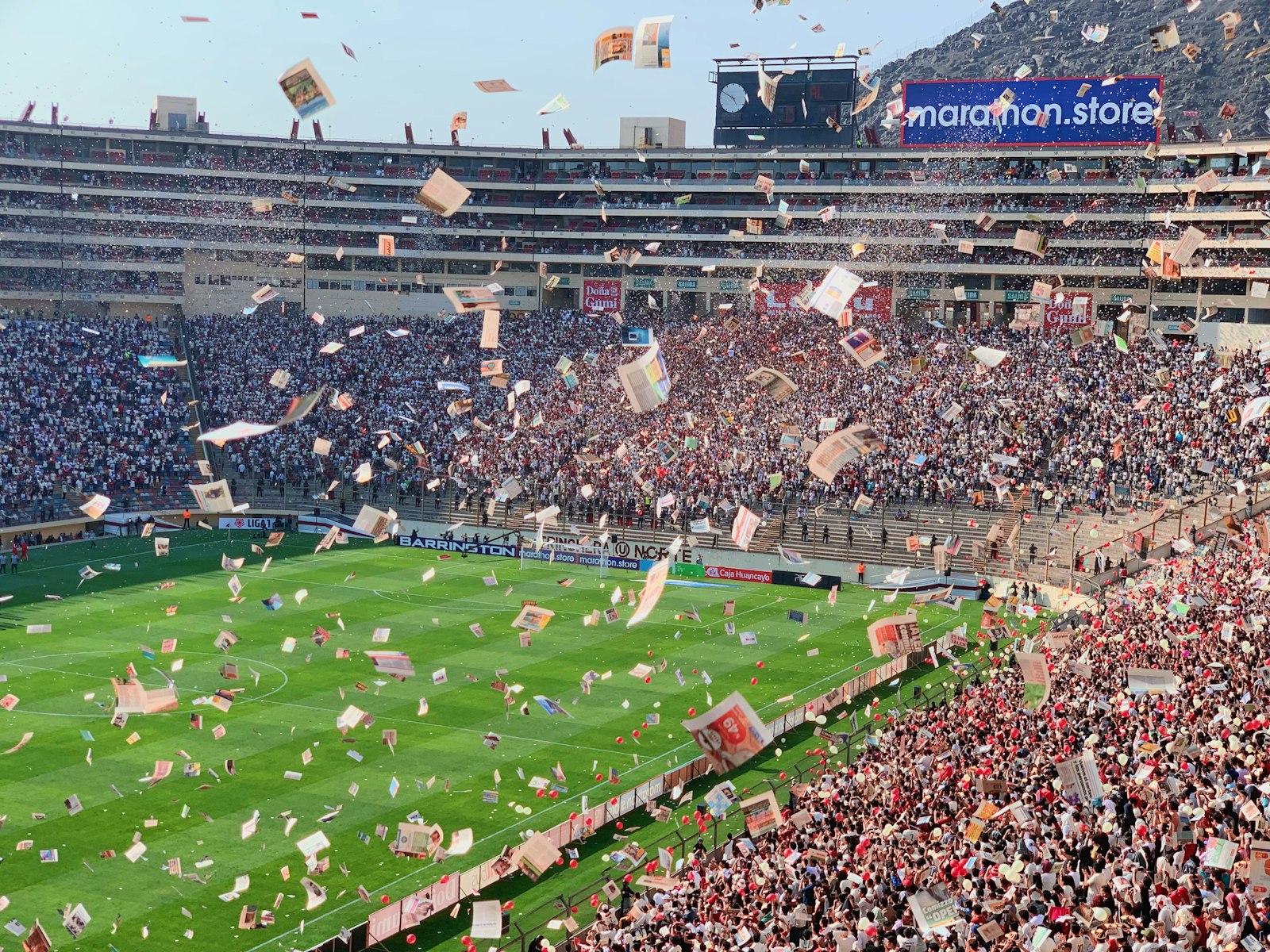
Venues, precincts and events where large numbers of people gather.
A crowded places security risk assessment examines the threats to a venue, precinct or event where large numbers of people gather on a predictable basis, and sets out proportionate measures to protect them. It covers terrorism and violent attack, but also crowd crush, protest, antisocial behaviour and medical emergencies. In Australia the reference point is Australia’s Strategy for Protecting Crowded Places from Terrorism, which gives owners and operators the primary responsibility for protecting their sites.
- Owners and operators of crowded places have the primary responsibility for protecting their sites, supported by police and government.
- The national strategy is supported by a security audit, a self-assessment tool and guidelines on hostile vehicles, active armed offenders, improvised explosive devices and chemical weapons.
- As at 29/10/2026, the National Terrorism Threat Level is PROBABLE, which means there is a greater than fifty per cent chance of an onshore attack or attack planning in the next twelve months.
- The best assessments are proportionate: they protect people without turning a venue into a fortress.
What framework applies to crowded places in Australia?
Australia’s Strategy for Protecting Crowded Places from Terrorism, released in 2017 by the Australia-New Zealand Counter-Terrorism Committee, is the national framework.1 It defines crowded places as locations that are easily accessible by large numbers of people on a predictable basis, including buildings, transport hubs, sports stadiums, parks, public events and pedestrian malls.2 All owners and operators of crowded places have the primary responsibility for protecting their sites.3
The strategy is supported by practical material, including the Crowded Places Security Audit, the Crowded Places Self-Assessment Tool, and guidelines for active armed offenders, improvised explosive devices, chemical weapons and hostile vehicles.3 The self-assessment tool is a sensible first step for any site. A full security risk assessment goes further, testing the site against credible scenarios and producing a treatment plan that can be costed and approved.
The threat level matters for context. The National Terrorism Threat Level is set by ASIO and published by the Australian Government; check the current level before relying on any figure.4
What does a crowded places security risk assessment cover?
- Threat and context: the national threat environment, issue-motivated groups relevant to the site or event, local crime patterns and the site’s own incident history.
- Site and crowd profile: capacity, peak times, queuing, entry and exit routes, and the parts of the perimeter shared with the street.
- Vulnerabilities: vehicle approaches to crowds, screening points, sightlines, lighting, staff awareness, communications and the time it takes to raise the alarm.
- Consequences: harm to people, disruption, reputation and legal exposure.
- Treatments: layered measures to deter, detect, delay and respond, including hostile vehicle mitigation, staff training, lockdown and evacuation procedures, and coordination with police and emergency services.
The method follows AS ISO 31000:2018, so the findings sit naturally within the organisation’s wider risk framework. The security risk management guide explains the approach.
How is an event different from a permanent venue?
An event creates a temporary crowded place, often on a site that was not designed for it. Overlays, temporary fencing, contractors, volunteers and short planning windows all add risk, and the busiest moments are usually the surges at entry and exit. Temporary vehicle barriers, accreditation, briefings for every staff member and a clear command structure on the day matter more than permanent infrastructure.
The Australian Institute for Disaster Resilience’s Safe and Healthy Crowded Places Handbook sets out nationally agreed principles for planning events and crowded places, covering safety and health as well as security.5 For larger events, councils, venue owners and police may ask to see a security plan as part of the approval or hire process, so the assessment should be finished early enough to shape the plan.
How do you keep security proportionate?
A crowded place exists to be used. Measures that are heavier than the risk warrants drive people away and waste money, while measures that are too light leave the operator exposed. A risk-based assessment gives the board a defensible basis for its decisions: what was considered, what was done, and why. It also gives staff the confidence to act, which is often the most effective control of all. Agilient’s situational awareness and active armed offender training supports that part of the plan.
How Agilient supports crowded places and events
Agilient provides independent security risk assessments for venues, precincts and events, together with hostile vehicle mitigation advice, event security planning and training. Examples include a venue security risk assessment that underpinned a long-term strategy for a major events venue and AGM security planning that let directors meet shareholders safely. Agilient does not sell or install security equipment. See also Agilient’s work across public venues and events.
Other security risk assessment guides: crowded places and events, construction sites, data centres, high-profile homes and the step-by-step security risk assessment process.
Free download
Free security threat and risk assessment template. An editable Word template that follows SA HB 167:2025 and AS ISO 31000:2018, with a threat assessment, a five by five risk matrix, a risk register and a treatment plan.
Free download
Free place of worship security review. A Word checklist for churches, mosques, synagogues, temples and faith community centres: incidents and threats, grounds, doors and keys, services and events, CCTV and emergency plans, plus what security funding programs usually ask for.
Planning a venue review or a major event?
A short briefing will show where your site or event stands against the crowded places guidance and what to address first.
Crowded places security FAQs
What is a crowded place?
Who is responsible for protecting a crowded place?
What is the current National Terrorism Threat Level?
Does an event need a security risk assessment?
- Australia-New Zealand Counter-Terrorism Committee, Australia’s Strategy for Protecting Crowded Places from Terrorism, nationalsecurity.gov.au
- Victorian Government, Crowded places, vic.gov.au
- Tasmania Police, Australia’s Strategy for Protecting Crowded Places from Terrorism, police.tas.gov.au
- Australian Government, Current National Terrorism Threat Level, nationalsecurity.gov.au
- Australian Institute for Disaster Resilience, Safe and Healthy Crowded Places Handbook, knowledge.aidr.org.au