Protect People and Property with Hostile Vehicle Mitigation
The risk of a vehicle as a weapon attack is an increasing concern for public spaces, venues and critical infrastructure. Agilient delivers specialist hostile vehicle mitigation services that help organisations proactively reduce this risk, protecting people, assets and operations through practical, site-specific physical security solutions.
What is Hostile Vehicle Mitigation?
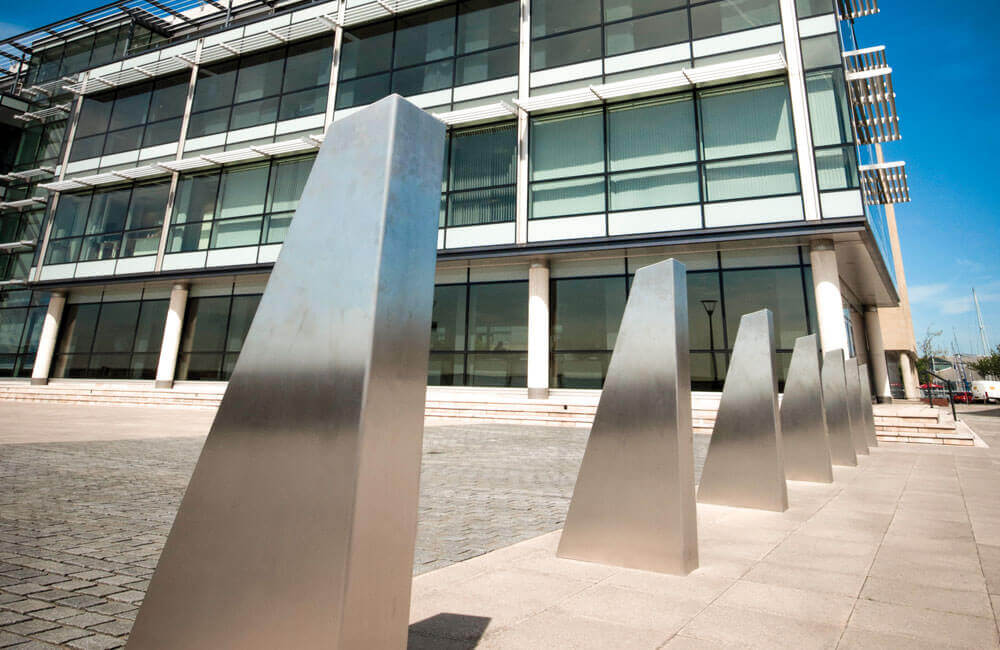
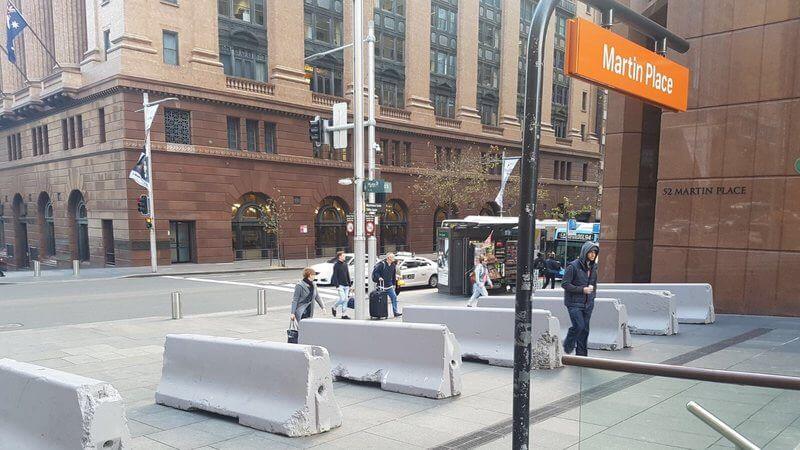
Hostile vehicle mitigation (HVM) refers to a combination of physical security measures, risk assessment and planning designed to prevent or reduce the impact of vehicle-based attacks. These measures can include fixed or removable bollards, vehicle barriers, reinforced street furniture, controlled access points and traffic management layouts.
Effective HVM is not just about installing barriers. It integrates with broader site security policies, operational procedures and event management plans, often informed by a formal security risk assessment. When implemented correctly, HVM reduces risk, protects occupants and visitors, and supports compliance with relevant standards and local authority requirements.

why choose us
Why Choose Agilient’s Hostile Vehicle Mitigation Services?

Expert Risk Assessment
Agilient identifies realistic vehicle threats based on site layout, usage and exposure.

Customised Physical Security Solutions
Every solution is proportionate, practical and tailored to the specific environment.

Integrated Planning & Compliance
HVM designs align with Agilient’s broader protective security services and existing site security frameworks.
Who Needs Hostile Vehicle Protection?
HVM is essential for locations with high foot traffic or exposed vehicle access points. This includes public venues, stadiums and event spaces, commercial and government buildings, schools, universities and hospitals, as well as retail precincts and urban infrastructure. Any site responsible for crowd safety can benefit from a structured hostile vehicle mitigation guide and professional implementation.
Agilient’s Hostile Vehicle Mitigation Approach
Venenatis neque tempor pretium nulla accumsan neque scelerisque odio tristique vulputate sit enim vitae tellus vitae sit et aliquet condimentum mattis iaculis risus libero adipiscing scelerisque sed augue pellentesque quam.

Site Risk Assessment
We assess vehicle access routes, crowd density and threat scenarios.

Design & Planning
Mitigation measures are designed to balance safety, access and aesthetics.

Implementation
Solutions are deployed efficiently with minimal disruption.

Testing & Validation
Installations are reviewed to confirm performance and effectiveness.

Training & Awareness
Staff receive guidance on operational use and emergency response.

Ongoing Reviews
Regular reviews ensure measures remain appropriate as conditions change.
Ensure Safety and Minimise Risk
Proactive hostile vehicle mitigation protects people, reduces liability and demonstrates a strong commitment to public safety. Acting before an incident occurs is far more effective than reacting afterwards. Contact Agilient to engage experienced hostile vehicle mitigation consultants and develop a tailored protection strategy for your site or event.
National Hostile Vehicle Mitigation Capability
Agilient provides HVM advisory services nationwide, helping organisations assess vehicle-related threats and implement proportionate mitigation measures aligned to site-specific risk and operational needs.
faqs
frequently Asked questions
A hostile vehicle mitigation assessment is a structured evaluation of vehicle-related threats and suitable mitigation options for a site.
They are designed to complement current controls, procedures and emergency plans.
Yes. Solutions are tailored to risk, usage, and physical constraints.
Designs aim to maintain access while reducing risk through controlled movement.
Agilient designs solutions in line with applicable standards and authority guidance.