
Articles

Sydney Harbour foreshore at dawn with the Sydney Harbour Bridge and the city skyline in the distance

ASIO’s 2026 Annual Threat Assessment: What It Means for Australian Business

ASIO's 2026 Annual Threat Assessment warns of a more volatile, converging security environment. See what it means for Australian business and how to respond.
READ MORE
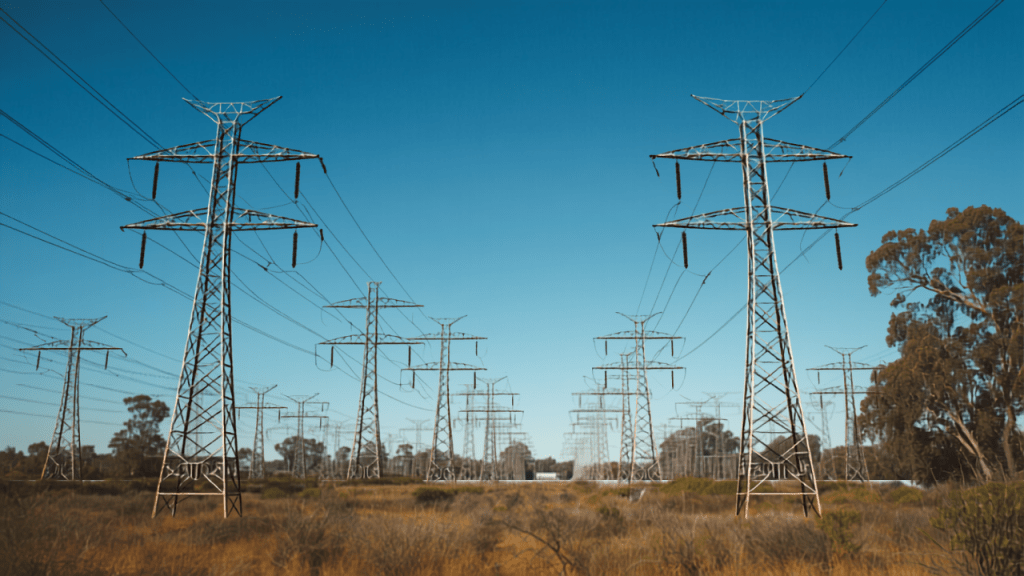
Australian electricity transmission substation, illustrating SOCI Act critical infrastructure obligations

Enhanced CIRMP Rules: What Critical Infrastructure Operators Must Do by Mid-2027

The Enhanced CIRMP Rules are the most significant change to Australia’s critical infrastructure risk management obligations since the baseline requirement began in 2023. Registered on 9 June 2026 and in force the following day, they move the Critical Infrastructure Risk…
READ MORE
Modern Australian Government office precinct in Canberra, illustrating a PSPF maturity assessment

How to Run a PSPF Maturity Assessment: A Practical Guide

A step-by-step guide to running a PSPF maturity assessment: the six security domains, the four-level maturity scale, and how to assess, prioritise gaps and plan an uplift.
READ MORE

Protective Security Policy Framework Release 2026: the changes that matter

PSPF Release 2026 took effect in July 2026. Agilient explains what has changed across the six security domains and what entities and suppliers must do.
READ MORE

The Essential Eight is being retired: what the Essentials series means for your organisation

ASD is retiring the Essential Eight and replacing it with the Essentials series. Agilient explains the change and what it means for your governance posture.
READ MORE
Security operations centre team collaborating, illustrating Essential Eight cyber governance

Where the Essential Eight Sits in Your Security and Governance Posture

An explainer on the Essential Eight, its maturity model, and where it fits within a broader security and governance posture alongside the PSPF and ISM.
READ MORE
Modern Australian corporate data centre, illustrating the Information Security Manual

How the ISM Fits the PSPF and Your Security Risk Posture

An explainer on how the Information Security Manual (ISM) works alongside the PSPF and your security risk posture, and where it fits in governance.
READ MORE
Entrance to a modern Australian commercial building, illustrating a building security assessment

How to Assess Building Security: A Step-by-Step Guide for Australian Facilities

A practical, risk-based method for assessing building security across the perimeter, fabric and interior of a facility, with the standards that apply in Australia.
READ MORE
Two consultants working through the security risk assessment process in an Australian office

The Security Risk Assessment Process: A Step-by-Step Guide for Australian Organisations

The security risk assessment process is a structured way to identify the security risks an organisation faces, analyse how serious each one is, and decide what to do about it, so that limited resources are directed at the risks that…
READ MORE
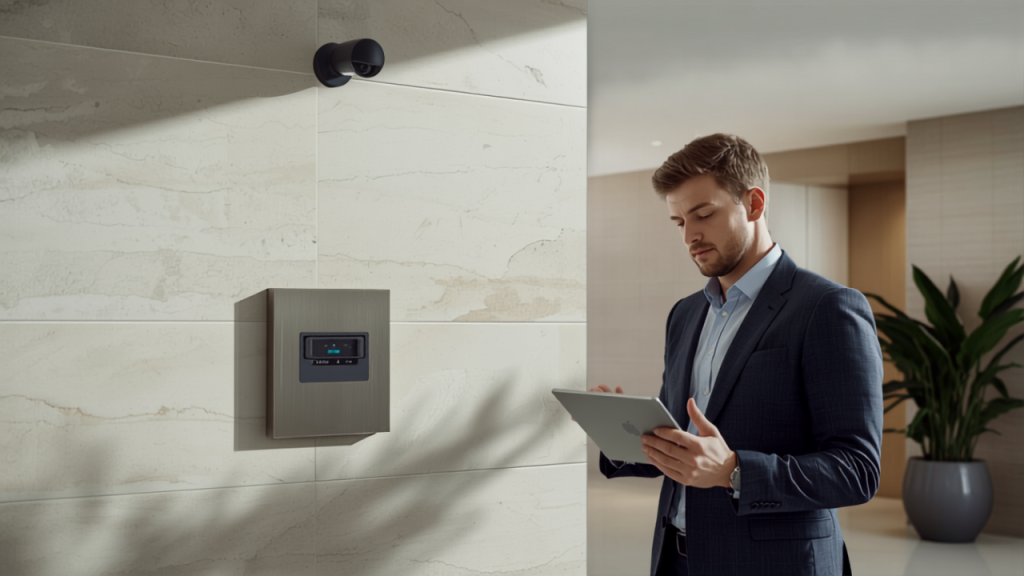
Auditor inspecting access control and CCTV during security audit procedures in an Australian building

Security Audit Procedures: A Step-by-Step Guide for Australian Organisations

A step-by-step guide to security audit procedures for Australian organisations, from scoping to reporting, aligned to AS ISO 31000:2018 and the PSPF.
READ MORE
security audit

What a Security Risk Assessment Template Should Include

What a security risk assessment template should include, how it aligns to AS ISO 31000:2018, and how to use one without turning risk into a checklist.
READ MORE
Security operations centre team monitoring CCTV and data screens, illustrating defence against the malicious use of AI

The Malicious Use of AI: How Threat Actors Are Adapting Across Cyber, Physical and Personal Security

The malicious use of AI is the deliberate use of artificial intelligence tools by hostile actors to plan, scale, or automate harmful activity. It now spans far more than cyber. The same models that help organisations detect vulnerabilities and write…
READ MORE
Upscale Australian home at dusk with a secure front gate, landscape lighting and CCTV, illustrating high-profile home security.

Home Security for High-Profile Individuals

High-profile home security for judges, executives and public figures. A practical guide to protecting VIP residences with proven technology.
READ MORE
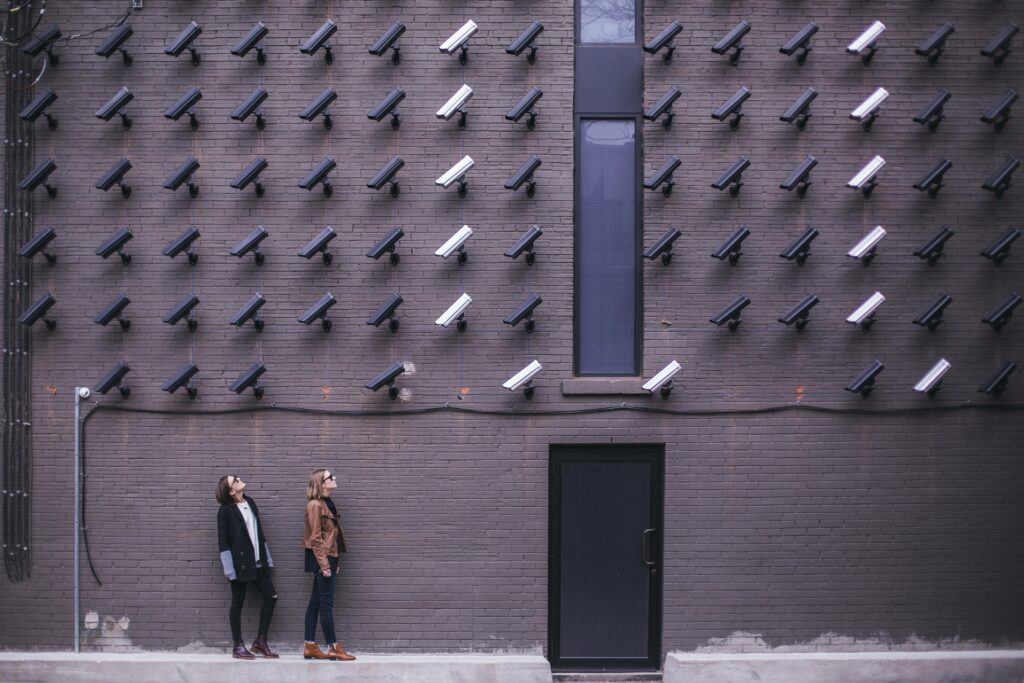
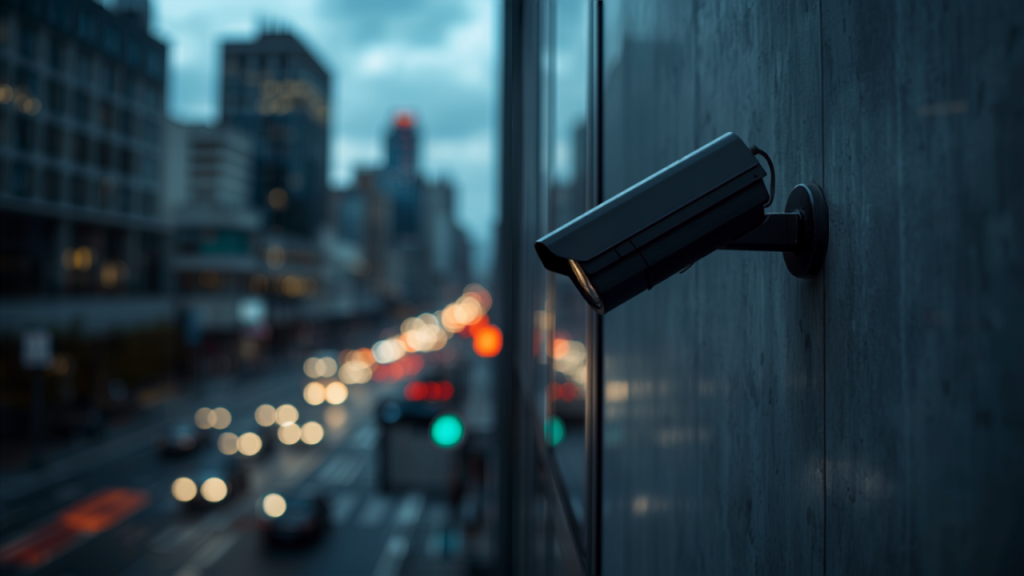
CCTV security camera on an Australian building, illustrating electronic security system vulnerabilities

When Your Security Systems Become the Threat: Electronic Security in the Age of AI

A surveillance camera, an access control reader and an alarm panel are bought to reduce risk. Increasingly, when they are poorly secured, they add to it. The same network-connected devices that watch over a site can be quietly turned around…
READ MORE

Emergency Preparedness for Critical Infrastructure Sites

Emergency Preparedness for Critical Sites in 2026: Beyond the Basic Drill The New Reality of Site Resilience In 2026, emergency preparedness for critical sites has evolved. It is no longer sufficient to simply have a fire evacuation plan and a…
READ MORE

Crisis Management vs. Business Continuity

Crisis Management vs. Business Continuity: An ISO 22301 All-Hazards Roadmap for 2026 The Shift to Holistic Resilience In 2026, organisational resilience has moved beyond the technical silos of ICT and security. As part of Agilient’s constant environmental scanning of the…
READ MORE

What is IT Disaster Recovery?

IT Disaster Recovery in 2026: An ISO 27031 Integrated Guide to Resilience Why IT Disaster Recovery is No Longer Just an “IT Problem” In 2026, IT Disaster Recovery (ITDR) has transitioned from a back-office server requirement to a front-line pillar…
READ MORE

How Often Should You Test Your Business Continuity Plan?

In the 2026 risk landscape, a Business Continuity Plan (BCP) left untouched on a shared drive is not an operational safeguard. It is a compliance liability. Too many organisations treat business continuity planning as a static, check-box exercise. They then…
READ MORE

Why Is Security Awareness Training Essential for Infrastructure Staff?

In 2026, Australia’s critical infrastructure sectors operate within a complex and volatile threat landscape. This includes utility grids, water networks, maritime ports, transport corridors, and telecommunications hubs. These facilities are priority targets for state-sponsored cyber actors, transnational organised crime syndicates,…
READ MORE

Operational Resilience and the SOCI Act: Shifting to Adaptive Infrastructure Protection in 2026

Why Traditional Protection Models Fail Under Stress Traditional critical infrastructure protection models were designed around known threats and static risk profiles. This historical approach is increasingly ineffective in today’s interconnected environment. As Dr Jill Slay AM noted in the landmark…
READ MORE