
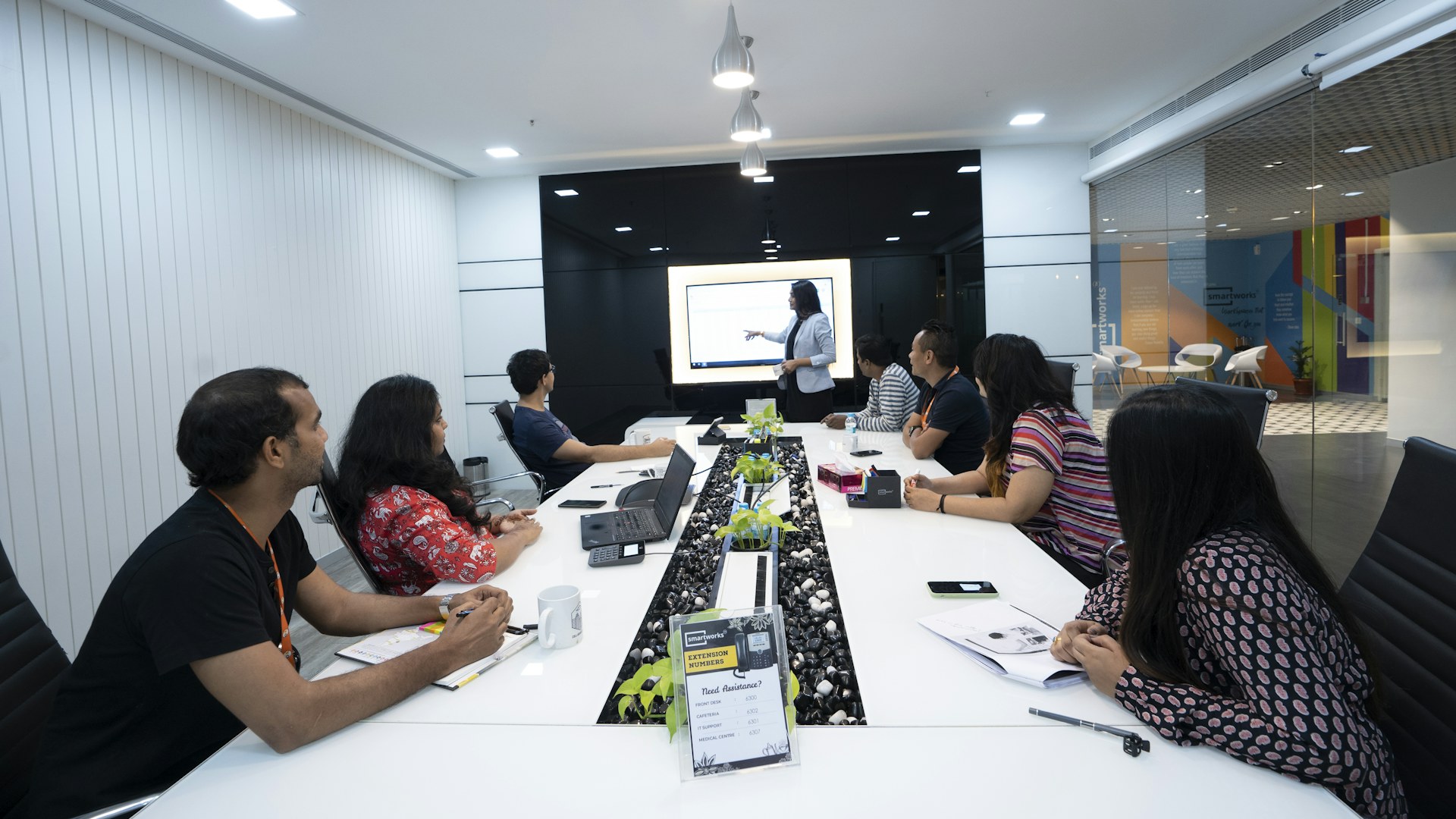
Give your executives and crisis team the confidence to lead through a serious disruption. This crisis management training combines practical instruction with a tabletop exercise built around your own risks, so your team rehearses its roles, decisions and communication before it has to do it for real. It is designed and facilitated by consultants who have written and tested crisis plans for government, critical infrastructure and business.
What your organisation gains
- A crisis team that knows its roles, activates quickly and works from the same plan.
- Faster, better recorded decisions when information is incomplete and pressure is high.
- Evidence for boards, regulators and insurers that crisis arrangements have been tested.
- A practical list of improvements to your plan, drawn from the exercise debrief.
Why train with Agilient
Taught by practitioners
Every Agilient consultant has at least 20 years of experience, typically as security managers within large organisations, and has dealt first hand with the issues the course covers.
Built for your organisation
Content, examples and scenarios are shaped around your sites, policies and incident history, not an off-the-shelf syllabus that dates quickly.
Active learning
Participants work through case studies and carry out the activities themselves, so the skills stick after the day.
Designed for you to own
Train-the-trainer options and a strategy for moving the course into your own online learning mean the capability stays in-house.
Why crisis team training matters now
Most organisations have a crisis plan. Far fewer have a crisis team that has practised using it under pressure. When a serious incident happens, whether a cyber outage, a site emergency, a supplier failure, an act of violence or a reputational issue, the first hours decide how much damage is done, and teams that have rehearsed their roles make faster and better decisions.
The expectations have also become clearer. ISO 22361:2022 set out international guidelines for crisis management, covering leadership, the crisis team, decision making, communication and learning. The Australian Institute for Disaster Resilience handbook Managing Exercises describes how to design, conduct and evaluate exercises. In the Director-General’s Annual Threat Assessment of 24/06/2026, ASIO warned of growing preparation for sabotage against infrastructure. Boards, regulators and insurers increasingly expect to see evidence that crisis arrangements have been tested, not just written.
What the course covers
- What makes a crisis different How a crisis differs from an incident or emergency, and the signs that an event needs strategic rather than operational management.
- The crisis team Roles, responsibilities, delegations and the relationship between the crisis team, incident management and business continuity teams.
- Activation and escalation Triggers, notification, the first hour, and getting the right people into the room quickly.
- Situational awareness Building and maintaining a common operating picture when information is incomplete or contradictory.
- Decision making under pressure Structured decision making, logging decisions and rationale, and avoiding common traps such as groupthink and paralysis.
- Crisis communication Staff, customers, regulators, media and social media, with message discipline and a single source of truth.
- Stakeholders and regulators Managing boards, government agencies, emergency services, insurers and partners through the event.
- Recovery and learning Stand-down, transition to recovery, debriefing and turning lessons into improvements.
- Tabletop exercise A realistic, facilitated scenario built around your organisation, with injects that test the team’s plan, roles and decisions.
What participants will be able to do
- Explain the roles and responsibilities of each crisis team member and how the team fits with incident and continuity arrangements.
- Activate and run the crisis team using the organisation’s own plan.
- Build situational awareness and make, record and communicate decisions under pressure.
- Coordinate communication with staff, stakeholders, regulators and the media.
- Identify gaps in the crisis plan and agree practical improvements after the exercise.
Who should attend
- Executives and senior leaders
- Crisis management team members and alternates
- Incident management and emergency management teams
- Business continuity and resilience managers
- Communications, legal and human resources leads
Choose the level and format that suits you
The course can be run at more than one level, so governance and day-to-day practice are covered together.
- Executive briefing. A short session for executives and boards on accountability, obligations, risk appetite and what good looks like.
- Manager and practitioner workshop. The full course, with case studies and practical exercises for the people who manage the risk day to day.
- Train-the-trainer. Preparing your own trainers to deliver the course inside your organisation, with the materials and guidance to do it well.
- In person or online. Delivered at your premises, at a venue you choose, or live online through Microsoft Teams and other platforms.
Bringing the capability in-house, with Agilient as your partner
More organisations want to build and keep this capability within their own teams. Agilient supports that. After delivering the course, Agilient can train your trainers, help your learning and development team plan the conversion of the course into an online module, and stay involved as an adviser, so your people deliver it with the benefit of Agilient’s hands-on experience.
How it works
- Get in touch. Tell us which course you are interested in, roughly how many people, where and when.
- Scoping conversation. An Agilient consultant discusses your people, sites, policies and recent incidents, and agrees the level, format and duration with you.
- Tailored content. Case studies, scenarios and exercises are built around your own environment and procedures.
- Delivery and handover. The course is delivered in person or online. Agilient can then train your trainers, support an online version, or review related procedures, controls or risk assessments.
Related Agilient services and resources
- Crisis management consultants when you need a crisis plan developed or reviewed
- Exercising and testing guide
- Crisis management framework guide
- Business continuity consultants
- Free business continuity readiness check
Frequently asked questions
What is crisis management training?
Crisis management training prepares executives and crisis teams to lead an organisation through a serious disruption. It covers roles, activation, situational awareness, decision making, communication, stakeholder management and recovery, and is usually combined with a tabletop exercise so the team practises using its own plan.
What is a tabletop exercise?
A tabletop exercise is a facilitated, discussion-based session in which a team works through a realistic scenario, responding to updates or injects as the situation develops. It tests the plan, roles and decisions without disrupting operations, and ends with a debrief and agreed improvements.
Can Agilient design the scenario around our own risks?
Yes. Scenarios are built from your risk register, critical services and recent events, such as a site emergency, cyber outage, supplier failure, act of violence or reputational issue. Agilient can also run a series of exercises over the year, building from discussion to more complex simulations.
Does the course follow a standard?
The course draws on ISO 22361:2022 Security and resilience, Crisis management, Guidelines, ISO 22301:2019 for business continuity, and the Australian Institute for Disaster Resilience handbook Managing Exercises.
How long is the course?
Duration is agreed with you. Courses range from a two-hour briefing to a one, one and a half or two-day program, depending on your audience, risks and how much practical work you want included.
Can the course be delivered online?
Yes. Agilient delivers courses in person at your premises and live online through Microsoft Teams and other platforms, and can combine the two for teams spread across several locations.
Can our own team deliver this training in future?
Yes. Agilient runs train-the-trainer sessions so your people can deliver the course themselves, and can work with your learning and development team on a strategy for converting the course into an online module for induction and refreshers.
Can individuals book a place on this course?
No. Agilient runs its training in-house for organisations rather than as public courses, so individual places are not available. Group size, timing and content are agreed with each organisation.
Is this an accredited course?
No, and that is deliberate. It is not a nationally recognised qualification that follows a fixed syllabus, which can date quickly. It is designed and delivered by practitioners who have dealt with these issues first hand, tailored to your organisation, and built on case studies, active learning and practical exercises.
Ready to build this capability in your organisation?
Tell us what you need. Agilient will recommend the right level, format and duration, and tailor the course to your organisation.
Other in-house security training courses
- Security Risk Assessment and Management Course
- Security Threat Assessment Training
- Insider Threat Training
- Security Awareness Training Course
- Customer Aggression Training for Managers
- De-escalation Training for Customer-Facing Staff
- Managing Physical Aggression in the Workplace
- Patient De-escalation Training for Healthcare Workers
- Occupational Violence and Aggression (OVA) Training for Healthcare
- Situational Awareness and Active Armed Offender Training
- Physical Restraint and Personal Protection Training
- CPTED Training: Crime Prevention Through Environmental Design
Sources
- ISO 22361:2022 Security and resilience, Crisis management, Guidelines, ISO
- Managing Exercises handbook, Australian Institute for Disaster Resilience
- Director-General’s Annual Threat Assessment 2026, ASIO
Last updated 29/09/2026.