
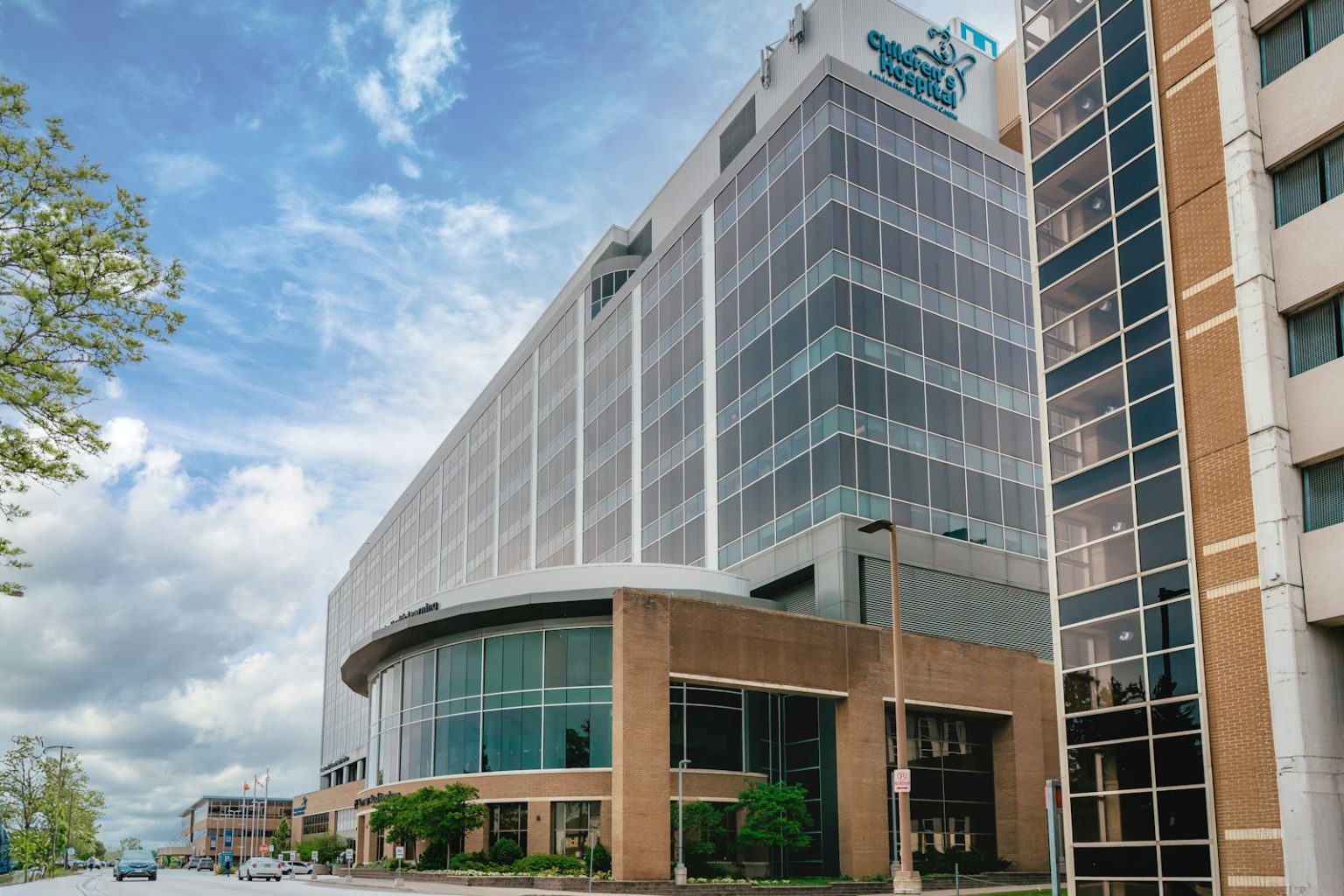
Agilient reviewed a major Queensland private hospital expansion at both 50% and 100% design completion, embedding security by design, CPTED principles, access zoning, lockdown capability, and patient flow security into the final build.
THE CHALLENGE
A major private hospital group in Queensland undertook a significant campus expansion, adding substantial new clinical and support space, and needed security risk expertise embedded in the design process from an early stage. Clinical environments present a uniquely complex security challenge: access must be controlled without impeding patient care, lockdown capability must be latent, and staff, patient, and visitor flows must be managed without creating vulnerability. Engaging security consultants too late in the design process risks expensive and disruptive retrospective remediation.
OUR APPROACH
Working collaboratively with the architect and clinical stakeholders throughout the design phase, Agilient conducted Security Risk Assessments at both 50% and 100% developed design milestones, enabling early identification of security design flaws while changes remained low-cost. The assessments applied ISO 31000, HB 167, AS 4485, and AS 3745, incorporating formal Threat, Criticality, and Vulnerability assessments. Key design considerations included access zoning across clinical areas, latent lockdown capability, after-hours security arrangements, and staff, patient, and visitor flow management. CPTED principles informed spatial and environmental design recommendations.
THE OUTCOME
- Identified and resolved security design gaps at 50% developed design, avoiding costly retrospective modifications to the final build
- Delivered a comprehensive security risk assessment at 100% design, with specific recommendations for access zoning, lockdown, and after-hours arrangements embedded into construction documentation
- Produced integrated outputs coordinated with architectural and clinical stakeholder inputs, ensuring security requirements were fully incorporated into the final facility
Related services: independent CCTV consultant, physical security consultant, security risk assessment consultants. Sector experience: healthcare security consultants. To discuss a similar project, contact Agilient.