
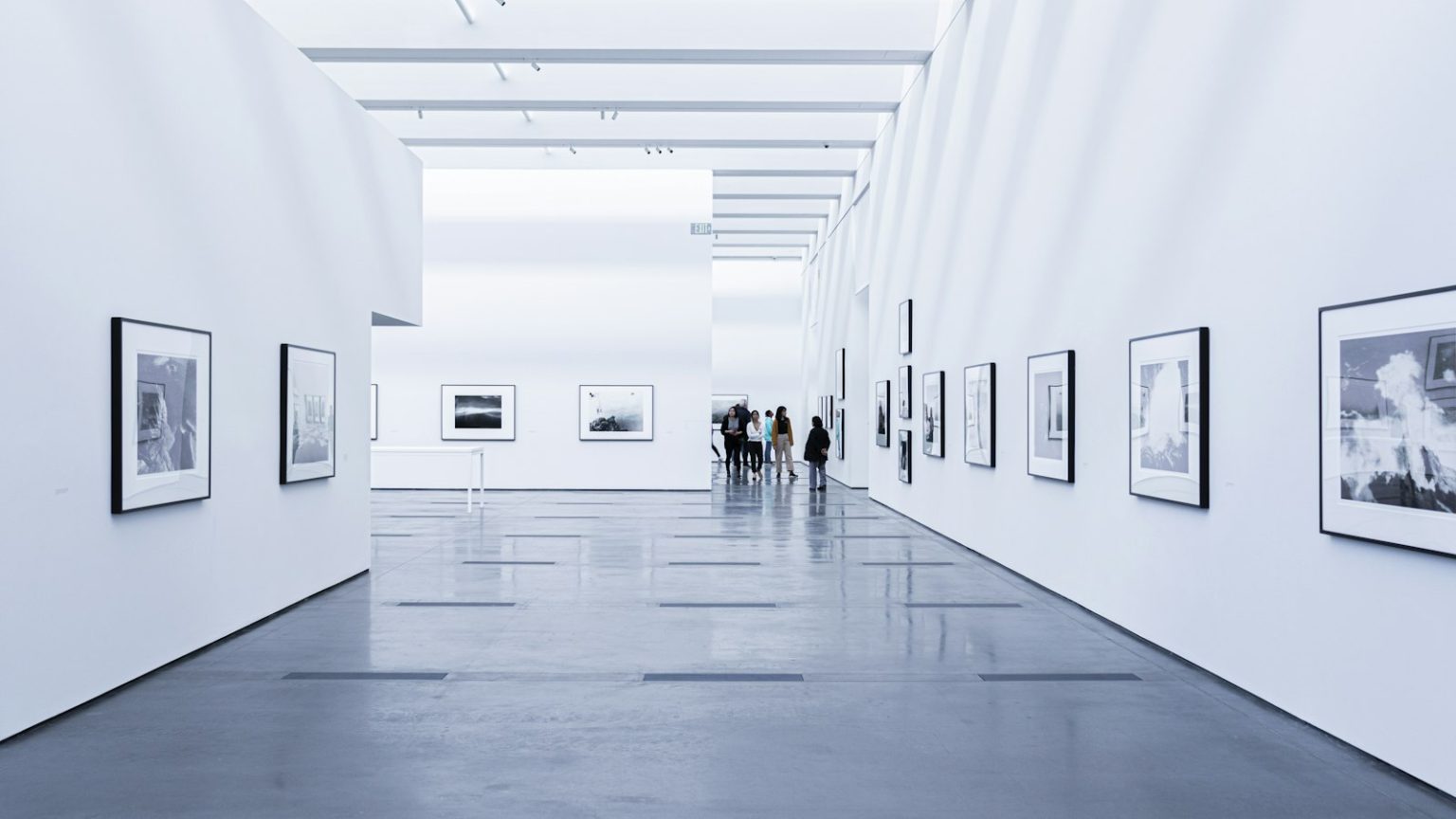
Following a security risk assessment, Agilient developed an integrated security and incident response manual for a public art museum, giving leadership and staff clear procedures for responding to a major incident.
THE CHALLENGE
A public art museum operates from a busy city location with significant tourism and commercial activity nearby. It welcomes a large number of domestic and international visitors and hosts high-profile events. The museum wanted to mature its security and incident management capability, given the elevated threat environment facing public venues and places of mass gathering. A security risk assessment by Agilient had identified a critical gap: there was no formal, documented framework for responding to a major security or critical incident. The museum had emergency and disaster plans, but no specific procedures to guide leadership and operational teams through events such as a direct threat, a nearby attack or a public order disturbance. It also needed clearer procedures for critical response actions, such as the use of duress alarms.
OUR APPROACH
Agilient was engaged to develop an integrated suite of incident response documentation, consolidating informal and largely verbal processes into a single, practical manual. The approach was collaborative and phased. Agilient first worked with museum leadership to understand current practice and to map a decision-making framework and communications plan for a crisis. This included reviewing federal and state security guidance to align with good practice. Agilient then developed a first response checklist, a critical incident decision-making tree and a communications plan covering liaison with police and other external agencies. The centrepiece was a Security and Incident Response Procedures Manual that brought existing plans together in one user-friendly document, with clear, numbered sections covering a range of scenarios, lockdown procedures and duress alarm response. Regular teleconferences and draft reviews kept the documents tailored to the museum’s operations and culture, and ensured the final suite was practical for staff to use under pressure.
THE OUTCOME
The museum moved from reliance on informal processes to a structured, documented framework for responding to critical incidents.
- A single Security and Incident Response Procedures Manual giving staff at all levels clear, actionable guidance
- A first response checklist and leadership decision-making tree to support a swift, coordinated initial response
- A communications plan setting out liaison with police and other external agencies during an incident
Related services: security risk assessment consultants, crisis management consultants, protective security and PSPF consulting. Sector experience: public venue and event security. To discuss a similar project, contact Agilient.