
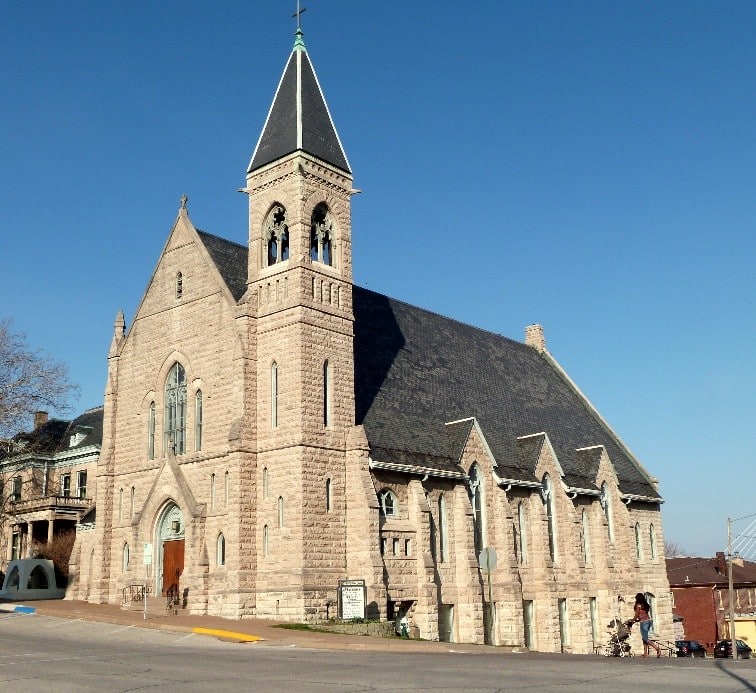
Security Consulting for Places of Faith and Worship
Security for a place of faith or worship means keeping people safe while keeping the doors open. Agilient helps churches, mosques, synagogues, temples and other faith communities understand their security risks and take proportionate, practical steps that protect worshippers, staff, volunteers and visitors without changing the welcoming character of the place.
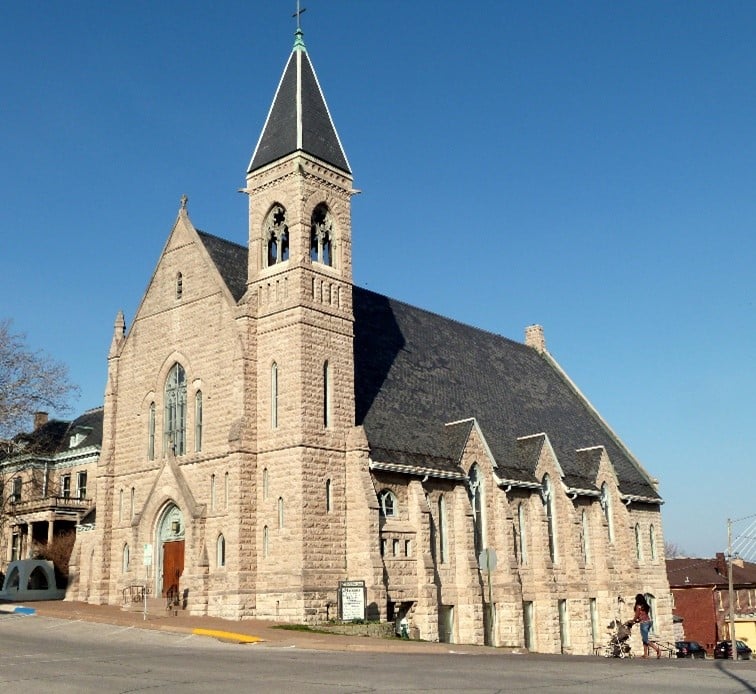
A place of faith, also referred to as a place of worship, is a structure or space where people gather for worship, devotion, religious study or community life. Examples include:
- Churches, mosques, synagogues and temples
- Religious community centres and faith-based schools
- Seminaries and theological colleges
- Religious retreats, sanctuaries and camp facilities
- Shrines, faith-based cemeteries and memorials
What does security for a place of worship involve?
Places of worship are open, community-focused sites that host regular services, festivals, funerals, schools and community events. National guidance treats them as crowded places, where large numbers of people gather in a predictable way. Most security incidents at these sites are everyday problems such as theft, vandalism, trespass and anti-social behaviour, but communities also need to plan for rarer, more serious events.
Good security starts with understanding what could realistically happen, then matching the response to it: clear procedures, trained volunteers, sensible access arrangements for services and events, and physical measures where the risk justifies them. Agilient’s advice draws on Australia’s Strategy for Protecting Crowded Places from Terrorism, published by the Australia-New Zealand Counter-Terrorism Committee, and on the risk method in AS ISO 31000:2018.
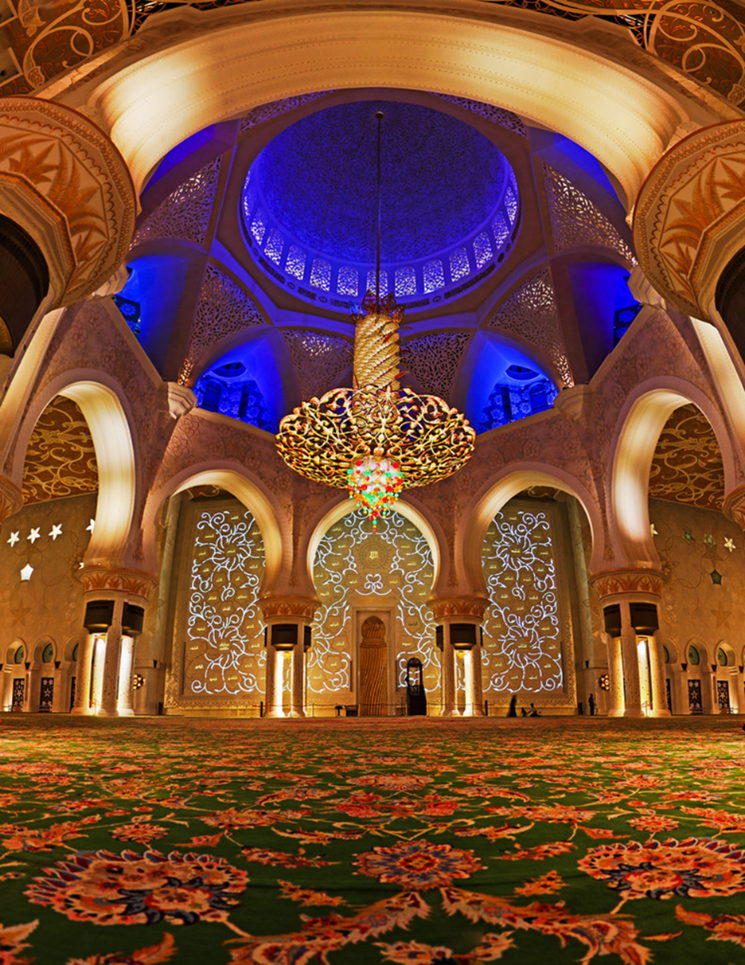
Where should a faith community start?
A practical first step is a security risk assessment. It gives leaders and committees a shared view of the realistic threats, the site’s strengths and weaknesses, and a prioritised list of actions, from low-cost procedural changes to physical upgrades. Many communities find that simple measures, such as clear roles for volunteers on service days, good lighting, visibility at entrances and a rehearsed plan for an emergency, deliver the greatest benefit for the cost.
Agilient also supports peak bodies and associations that want a consistent assessment approach across many sites.
Why choose Agilient?
- Proportionate and respectful: recommendations are sized to the assessed risk and to what a community can sustain. The aim is a safer place of worship, not a fortress.
- Grounded in national guidance: advice aligns with the national crowded places guidance and recognised risk management standards, so it stands up when reviewed by a committee, an insurer, police or a funding body.
- Independent: Agilient does not sell security equipment, guarding or installation, so its advice is shaped by the risk and the community’s needs rather than by a product range.
- Licensed and experienced: Agilient is licensed to operate in each state in which it works, and its team brings experience from government, defence and critical infrastructure environments.
How Agilient supports places of worship
- Security risk assessment: a site assessment and consultation with leaders and volunteers, producing a risk register and prioritised recommendations matched to the community’s services, events and resources.
- Crowded places self-assessment support: help to complete the self-assessment and security audit tools published under the national strategy, with independent review of the results.
- Design and CPTED advice: crime prevention through environmental design advice on entrances, sightlines, lighting, landscaping, car parks, CCTV and access control, including for new buildings and renovations at design stage.
- Procedures and emergency planning: plain-language procedures for opening and closing, service days, large events, suspicious items, evacuation and lockdown, written for the people who will use them.
- Volunteer and staff awareness: briefings and exercises that help staff and volunteers recognise concerns early, respond calmly and know when and how to contact police.
- Funding applications: where a government security funding program is open, an independent risk assessment and costed recommendations provide the evidence base that applications typically require.
Frequently asked questions
Do places of worship need a security risk assessment?
A security risk assessment is the most practical way for a faith community to understand its realistic risks and decide what to do about them. It gives leaders a prioritised plan and evidence to support decisions, insurance discussions and funding applications.
Will security measures make our place of worship feel less welcoming?
They should not. Most effective measures are procedural or low-key, such as trained volunteers, good lighting and clear sightlines at entrances. Physical measures are recommended only where the assessed risk justifies them, and are designed to fit the character of the site.
What national guidance applies to places of worship?
Places of worship are treated as crowded places under Australia’s Strategy for Protecting Crowded Places from Terrorism, published by the Australia-New Zealand Counter-Terrorism Committee. The strategy and its supporting self-assessment and audit tools are available on nationalsecurity.gov.au.
Can Agilient help with a security funding application?
Where a government security funding program is open, Agilient can provide the independent risk assessment and costed recommendations that applications typically require. Eligibility and requirements are set by each program.
Can Agilient assess several sites for a peak body or association?
Yes. Agilient can apply one consistent method across many sites, so that a peak body or association can compare risks and prioritise support across its members.
Agilient is a proud member of several industry organisations, including the Ai Group Defence Council, the Australian Industry & Defence Network, and the Australian Security Industry Association.
Related services include counter-terrorism consulting for crowded places, security risk assessment and building security consulting. Contact Agilient to discuss support for your community.